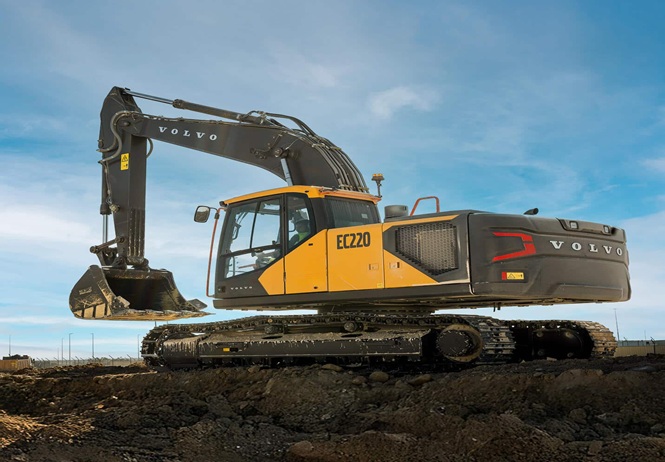
In large-scale infrastructure and mining projects, the excavator is more than just a machine—it is the backbone of operations. From highway construction and metro rail development to mining and industrial projects, selecting the right excavator can significantly impact project timelines, operational efficiency, fuel consumption, and overall project cost.
Many contractors focus only on the purchase price. However, the real savings lie in selecting the right excavator for the right application. In this blog, we explore how choosing the correct machine can save crores in long-term project costs and improve ROI.
Understanding the Role of Excavators in Infrastructure Projects
Excavators are widely used for:
- Earthmoving and trenching
- Mining and quarry operations
- Road construction
- Demolition
- Material handling
- River dredging
In infrastructure development across Eastern India, demand for heavy construction equipment like hydraulic excavators has grown rapidly. Choosing the wrong model can lead to:
- Excess fuel consumption
- Increased downtime
- Frequent breakdowns
- Higher maintenance costs
- Delayed project completion
Each of these factors directly affects profitability.
1. Matching Excavator Size with Project Requirements
One of the most common mistakes contractors make is choosing either an oversized or undersized excavator.
🔹 Small Excavator on Large Projects
- Slower digging cycle
- Increased working hours
- Higher labor and fuel costs
🔹 Large Excavator on Small Projects
- Unnecessary fuel burn
- Higher operating cost
- Limited maneuverability
For example, a 20-ton excavator is ideal for medium construction projects, while a 35-40 ton excavator performs better in mining and heavy earthmoving.
By selecting the correct machine capacity, companies can:
- Reduce fuel consumption by up to 15–20%
- Improve productivity per hour
- Minimize machine wear and tear
This translates into significant cost savings over long-term infrastructure contracts.
3. Total Cost of Ownership (TCO) Matters More Than Price
When investing in heavy construction equipment, the focus should be on Total Cost of Ownership (TCO) rather than initial purchase price.
TCO includes:
- Purchase cost
- Fuel consumption
- Maintenance & spare parts
- Downtime cost
- Resale value
Premium excavators often have higher upfront costs but offer:
- Longer service intervals
- Genuine spare part availability
- Higher resale value
- Lower breakdown frequency
Over a 5–7 year project cycle, this difference can save crores.
4. Importance of After-Sales Service & Spare Parts Availability
Even the best excavator can cause losses if after-sales support is weak.
Partnering with an authorized dealer ensures:
- Quick spare parts availability
- Skilled service engineers
- Preventive maintenance programs
- On-site breakdown support
For example, globally trusted mining equipment providers like Epiroc emphasize strong service networks to reduce operational downtime.
Downtime in large infrastructure projects can cost lakhs per day. Reliable dealership support directly protects your profitability.
5. Technology & Telematics: Smart Construction is the Future
Modern excavators are no longer just mechanical machines—they are smart assets.
Advanced telematics systems provide:
- Real-time fuel monitoring
- Machine health diagnostics
- GPS tracking
- Operator performance insights
This helps contractors:
- Reduce misuse
- Prevent theft
- Schedule predictive maintenance
- Optimize fleet utilization
Smart fleet management reduces unnecessary machine idling and improves project efficiency.
6. Choosing the Right Attachments for Maximum Productivity
Excavator productivity depends heavily on attachments.
Common attachments include:
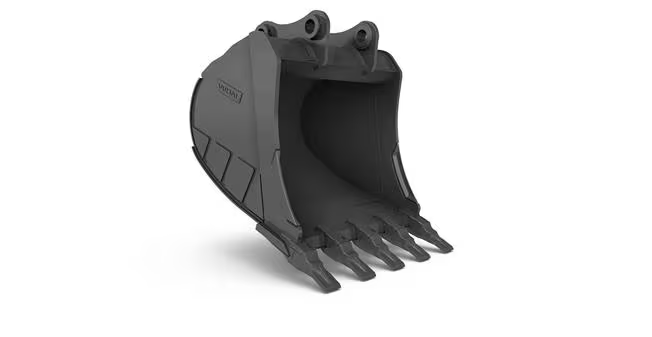
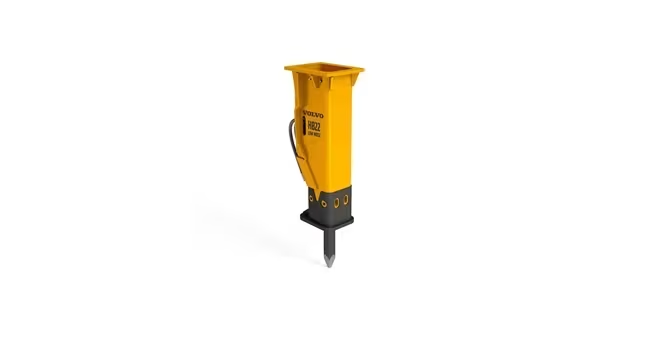
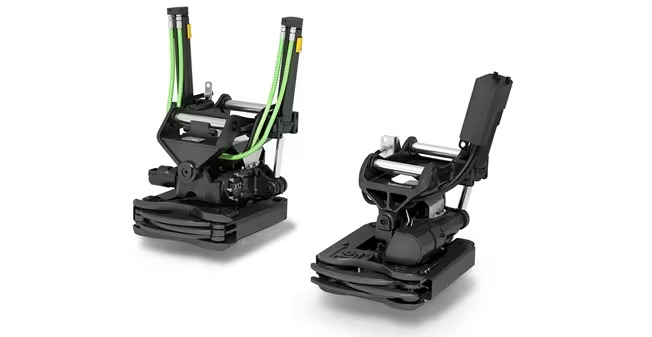
- Rock breakers
- Augers
- Grapples
- Rippers
- Crusher buckets
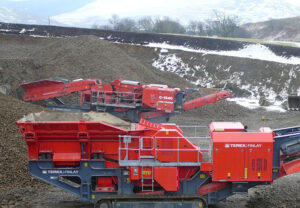
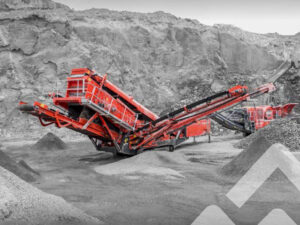
Using the right attachment improves versatility and reduces the need for multiple machines. In mining and material processing operations, pairing excavators with crushing solutions from brands like Terex Finlay can significantly increase material output efficiency.
7. Excavator Selection for Mining vs Construction
Construction Projects
- Require fuel efficiency
- Precision digging
- Smooth hydraulic control
Mining Projects
- Demand high torque
- Strong undercarriage
- Heavy-duty durability
Selecting a mining-grade excavator for a simple road project increases unnecessary cost. Similarly, using a lightweight machine in mining increases maintenance frequency.
Proper consultation with an authorized equipment dealer ensures the right selection based on site conditions.
8. Environmental Compliance & Sustainability
Government regulations are becoming stricter regarding emissions and environmental compliance.
Modern excavators are designed with
- Lower emission engines
- Reduced noise levels
- Eco modes
Sustainable equipment reduces penalties and enhances brand reputation in government infrastructure tenders.
9. Resale Value & Brand Reliability
A reputed excavator brand maintains strong resale value even after years of usage.
Benefits include:
- Better trade-in options
- Easier financing approvals
- Strong market demand
Choosing a globally trusted brand supported by a reputable dealership ensures asset value protection.
10. The Role of an Authorized Dealer in Excavator Selection
An experienced authorized dealer does more than sell equipment. They provide:
- Site inspection
- Project requirement analysis
- Machine recommendation
- Financing assistance
- Long-term service contracts
Dealerships offering multiple premium brands help customers compare performance, pricing, and application suitability under one roof.
This integrated support system ensures that clients make data-driven investment decisions.
Excavator Buying Checklist for Infrastructure Companies
Before purchasing an excavator, ask:
- What is the project duration?
- What soil or rock conditions are involved?
- What is the expected daily operating hour?
- What is the fuel efficiency benchmark?
- Is after-sales support locally available?
- What is the resale value after 5 years?
Answering these questions prevents costly mistakes.
Conclusion: The Right Excavator is an Investment, Not an Expense
In large infrastructure and mining projects, equipment efficiency determines profitability.
Choosing the right excavator:
- Reduces fuel costs
- Minimizes downtime
- Improves productivity
- Enhances resale value
- Protects long-term ROI
- For contractors and project developers across Eastern India, working with a reliable and authorized heavy equipment dealer ensures access to globally trusted brands, genuine spare parts, and professional service support.
- When planned strategically, the right excavator selection can save crores over the lifecycle of a project—making it one of the smartest investments in the construction and mining industry.