- Choosing the right crusher plant is one of the most critical decisions in any mining, quarrying, road construction, or infrastructure project. The debate between mobile crushing plants and stationary crushing plants depends on multiple factors, including project size, location, material type, production capacity, and long-term operational costs.
In this comprehensive crusher selection guide by Suchita Group, we will help you understand the differences, advantages, limitations, and ideal applications of both systems to make the best investment decision.
Why Crusher Selection Matters in Mining & Construction
A properly selected stone crusher plant directly impacts:
- Production efficiency
- Fuel consumption
- Operating cost per ton
- Equipment lifespan
- Return on Investment (ROI)
Whether you are working in a granite quarry, iron ore mine, river stone crushing project, or road construction site, selecting between a mobile crusher and a stationary crushing plant can significantly influence profitability.
What is a Mobile Crushing Plant?
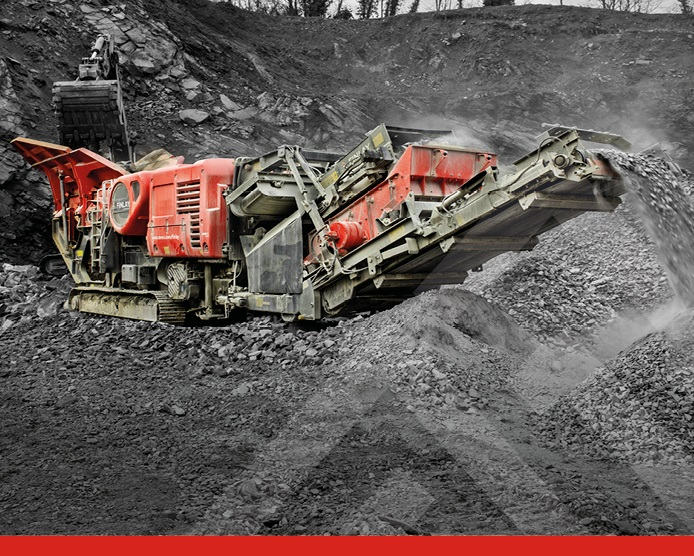
A mobile crushing plant is a track-mounted or wheel-mounted crusher unit that can be easily transported from one site to another. It integrates a feeder, crusher, conveyor, and screening unit into a single compact system.
Key Features of Mobile Crushers:
- Easy mobility and quick relocation
- Faster installation and commissioning
- Lower civil construction cost
- Suitable for short-term projects
- Ideal for multiple site operations
Types of Mobile Crushers:
Advantages of Mobile Crushing Plants
1. Flexibility & Mobility
Mobile crushers are ideal for projects where material sources frequently change. In road construction and urban infrastructure development, they eliminate the need to transport raw material to a distant crushing plant.
2. Lower Initial Infrastructure Cost
Since they do not require heavy foundation work, civil costs are minimal compared to stationary crushing plants.
3. Faster Setup Time
Installation can be completed within days instead of weeks.
4. Reduced Material Transportation Cost
Mobile crushers can operate close to the excavation site, reducing diesel and logistics expenses.
Limitations of Mobile Crushers
- Lower production capacity compared to stationary plants
- Higher cost per ton in large-scale operations
- Limited scalability for future expansion
- Maintenance may be slightly higher due to compact design
What is a Stationary Crushing Plant?
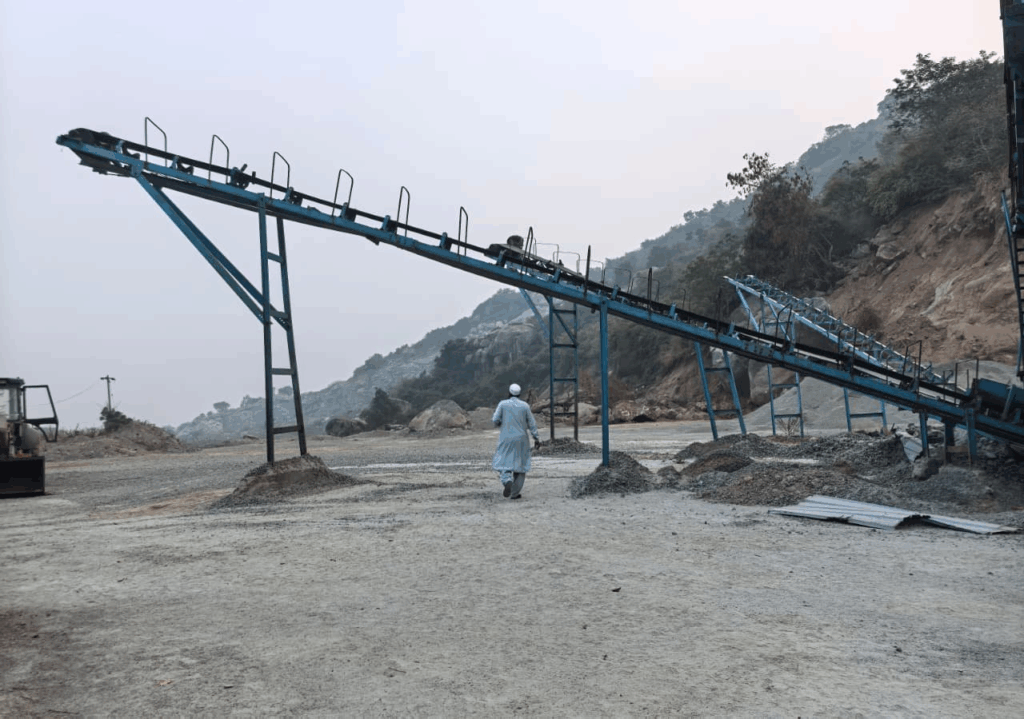
A stationary crusher plant is a fixed crushing system installed at a permanent location. It typically includes multiple crushing stages (primary, secondary, tertiary), screening units, conveyors, and automation systems.
Stationary plants are widely used in:
- Large mining projects
- Cement plants
- Aggregates production
- Long-term quarry operations
Advantages of Stationary Crushing Plants
1. High Production Capacity
Stationary plants can handle large volumes of material — ideal for high-tonnage mining and aggregate production.
2. Long-Term Cost Efficiency
Lower operating cost per ton over time makes them suitable for long-term infrastructure and mining projects.
3. Customizable Layout
The plant can be designed based on:
- Material hardness
- Required output size
- Production capacity
- Automation level
4. Better Scalability
Additional crushers, screens, and conveyors can be added as production demand increases.
Limitations of Stationary Crushing Plants
- High initial investment
- Longer installation time
- Requires land and civil foundation
- Not suitable for frequently changing project locations
Mobile vs Stationary Crushing Plants: Detailed Comparison
| Feature | Mobile Crushing Plant | Stationary Crushing Plant |
|---|---|---|
| Mobility | High | Fixed |
| Installation Time | Short | Long |
| Production Capacity | Medium | High |
| Initial Investment | Moderate | High |
| Operating Cost per Ton | Higher (long-term) | Lower (long-term) |
| Best For | Short-term & Multi-site | Long-term & High-volume |
Key Factors to Consider Before Choosing a Crusher Plant
1. Project Duration
- Short-term project → Mobile Crusher
- Long-term mining operation → Stationary Crusher
2. Production Capacity Requirement
If your project requires continuous high-volume crushing (500+ TPH), a stationary crushing plant is more suitable.
3. Material Type
Hard rocks like granite and basalt require heavy-duty crushing systems. Proper crusher selection ensures minimal wear and better fuel efficiency.
4. Budget & ROI
Although stationary plants require higher upfront investment, they offer better long-term profitability for large operations.
5. Site Location & Accessibility
Remote mining locations with limited infrastructure often benefit from mobile crushing plants.
Which Crusher is Best for Indian Mining & Construction Projects?
In India’s fast-growing infrastructure sector, both mobile and stationary crushing plants have their importance.
Mobile Crushing Plant is Ideal For:
- Road construction projects
- Urban demolition projects
- Short-term quarrying
- Government infrastructure tenders
A Stationary Crushing Plant is Ideal For:
- Large mining companies
- Cement manufacturing plants
- Long-term aggregate production
- High-capacity crushing operations
Role of Advanced Crushing Technology
Modern crushing plants now come with:
- Fuel-efficient engines
- Automated control systems
- Dust suppression systems
- Remote monitoring
- Optimized wear part design
These advancements significantly reduce operating costs, improve crusher efficiency, and enhance safety standards.
Why Choose Suchita Group for Crushing Solutions?
Suchita Group is a trusted and authorized dealer of globally recognized heavy equipment brands, including
With years of expertise in mining equipment, construction machinery, and aggregate crushing solutions, Suchita Group provides:
- Technical consultation
- Customized plant solutions
- After-sales support
- Genuine spare parts
- Equipment financing guidance
Whether you need a mobile crusher plant for a road project or a stationary crushing plant for a large mining operation, our team ensures the right equipment selection for maximum productivity and profitability.
Final Verdict: Mobile or Stationary?
There is no universal answer.
The right choice depends on:
- Project duration
- Production volume
- Investment capacity
- Operational flexibility
- Long-term expansion plans
If mobility and quick setup are your priorities, go for a mobile crushing plant.
If high capacity and long-term cost efficiency matter most, choose a stationary crushing plant.
Frequently Asked Questions (FAQ)
1. Which crusher plant is more cost-effective?
For long-term, high-volume production, stationary crushing plants are more economical per ton.
2. Are mobile crushers suitable for mining?
Yes, especially for small- to medium-scale mining and multi-location operations.
3. What is the average lifespan of a crusher plant?
With proper maintenance, both mobile and stationary crushing plants can operate efficiently for 10–20 years.
Conclusion
Selecting between a mobile crusher and a stationary crushing plant is a strategic decision that affects operational efficiency, project timelines, and overall profitability.
Careful evaluation of production needs, budget, project duration, and site conditions is essential before investing in crushing equipment.
If you are planning to set up a crusher plant or upgrade your existing crushing system, consult the experts at Suchita Group for the most reliable and cost-effective crushing solutions.